Why Flow Timing Is About Water Source, Not the Calendar
The single most useful thing to understand about waterfalls is that the date a fall "peaks" is set by where its water comes from. A waterfall is just a stream meeting a cliff, so the timing of its biggest flow follows the timing of its watershed's biggest runoff. Three sources dominate across the United States: snowmelt, rainfall, and groundwater (springs). A snowmelt-fed fall and a rain-fed fall can sit two states apart and peak in completely different months, even at the same latitude. That is why a generic answer like "spring is best" is only half-right, and why the documented best-season note for each waterfall matters more than any rule of thumb.
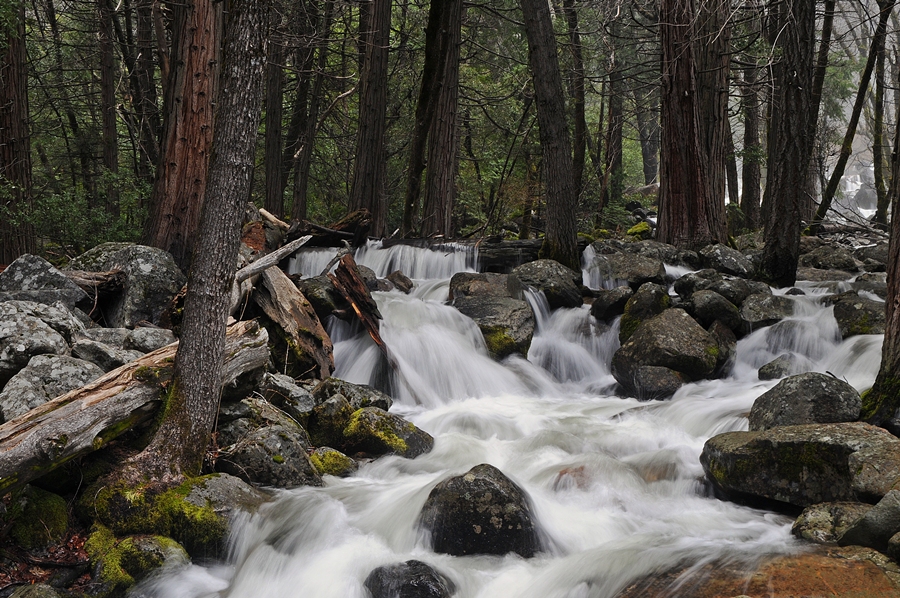
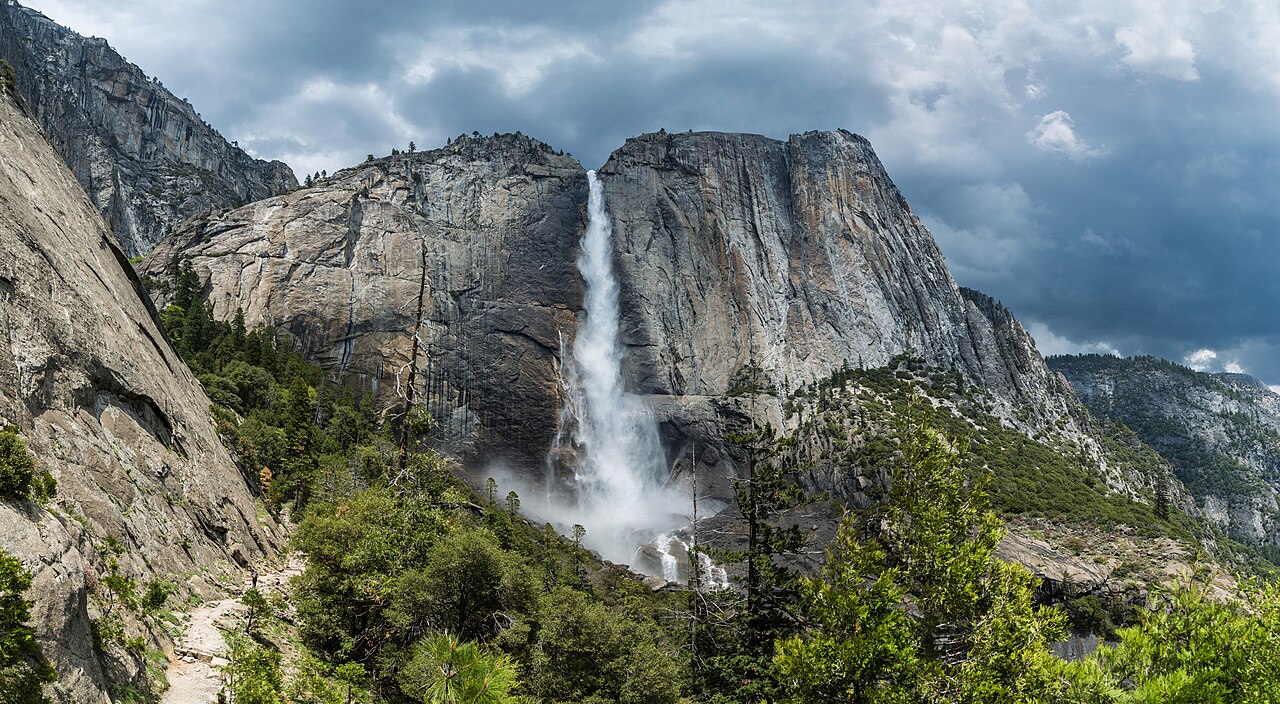
Snowmelt-fed falls draw from high-elevation snowpack that accumulates all winter and releases over a few warming weeks. These falls are dramatic but seasonal: they roar in late spring and can slow to a trickle, or stop entirely, by late summer. Yosemite Falls in California, documented at roughly 2,425 feet on Yosemite Creek and managed by Yosemite National Park, is the textbook example, with a best season of spring snowmelt from April through June. Its upper Yosemite Creek watershed is mostly seasonal snowpack, so the National Park Service notes the fall can run dry or nearly so by August. The same logic governs Bridalveil Fall and Nevada Fall in the same valley, the latter on the Merced River with a documented late-spring peak of May to June.
Rain-fed falls behave the opposite way. Their watersheds are lower, wetter, and rely on storm systems rather than stored snow, so they respond within hours of heavy rain and can flow year-round if the region stays wet. Spring-fed falls are the steadiest of all: groundwater discharges at a near-constant rate regardless of the day's weather, so these falls look much the same in February and August. Most real waterfalls are a blend, with a dominant source that sets the peak and a secondary source that sets the floor. Reading a fall's best-season note and its watercourse together tells you which behavior to expect.
Snowmelt-Fed Falls: The Big Spring Surge
Snowmelt is the engine behind the country's most famous high-volume falls, and it runs on a predictable arc. Through winter, snow piles up in the high country and almost no meltwater reaches the falls. As days lengthen and temperatures climb, usually from April onward at moderate elevations, the snowpack begins to release, runoff climbs, and the falls swell toward a peak. The exact peak depends on elevation, aspect, and how big that winter's snowpack was, which is why two snowmelt years are never identical and why a heavy-snow winter can push strong flows weeks later than a dry one.
Yosemite Valley is the clearest demonstration. Yosemite Falls (about 2,425 feet, tiered, on Yosemite Creek), Bridalveil Fall (about 620 feet, a plunge on Bridalveil Creek), and Nevada Fall (about 594 feet on the Merced River) all carry documented snowmelt-driven best seasons. Yosemite Falls and Bridalveil Fall peak across April to June, while Nevada Fall, fed by the larger Merced River, holds its strongest flow a touch later into May and June. The reaching of each fall varies: Bridalveil Fall is a short half-mile walk from Yosemite Valley, while the upper Yosemite Falls trail is a strenuous 7.2-mile route, so the surge that benefits the casual visitor and the all-day hiker is the same water on the same schedule.
Snowmelt timing shifts with latitude and elevation. Bird Woman Falls in Montana's Glacier National Park, a roughly 560-foot horsetail visible from the road, carries a documented best season of late-spring snowmelt in June and July, later than Yosemite because of its higher, colder setting and the fact that the Going-to-the-Sun Road that frames the view typically does not fully open until summer. Bridal Veil Falls in Utah near Provo, a roughly 607-foot tiered fall on a Provo River tributary in the Uinta-Wasatch-Cache National Forest area, peaks across April to June on Wasatch snowmelt. The lesson for trip planning is to track snowpack: a big-snow year means a bigger, later peak, and the falls will run strong well after the calendar says spring is over.
Rain-Fed Falls: Year-Round Flow and Storm Spikes
Outside the high-snowpack West, most waterfalls are rain-fed, and they follow rainfall rather than a snowmelt curve. In the wet, mild Pacific Northwest, that often means strong flow for much of the year with a cool-season emphasis. Multnomah Falls in the Columbia River Gorge, a roughly 620-foot tiered fall on Multnomah Creek managed within the Columbia River Gorge National Scenic Area by the U.S. Forest Service, is documented as flowing year-round with its best season in winter and spring, roughly November through May. Its viewpoint is barely 0.2 miles from the lot, and because the Gorge collects abundant rain and some upstream snow, the fall rarely disappoints in any season, though it is fullest during the wet months.
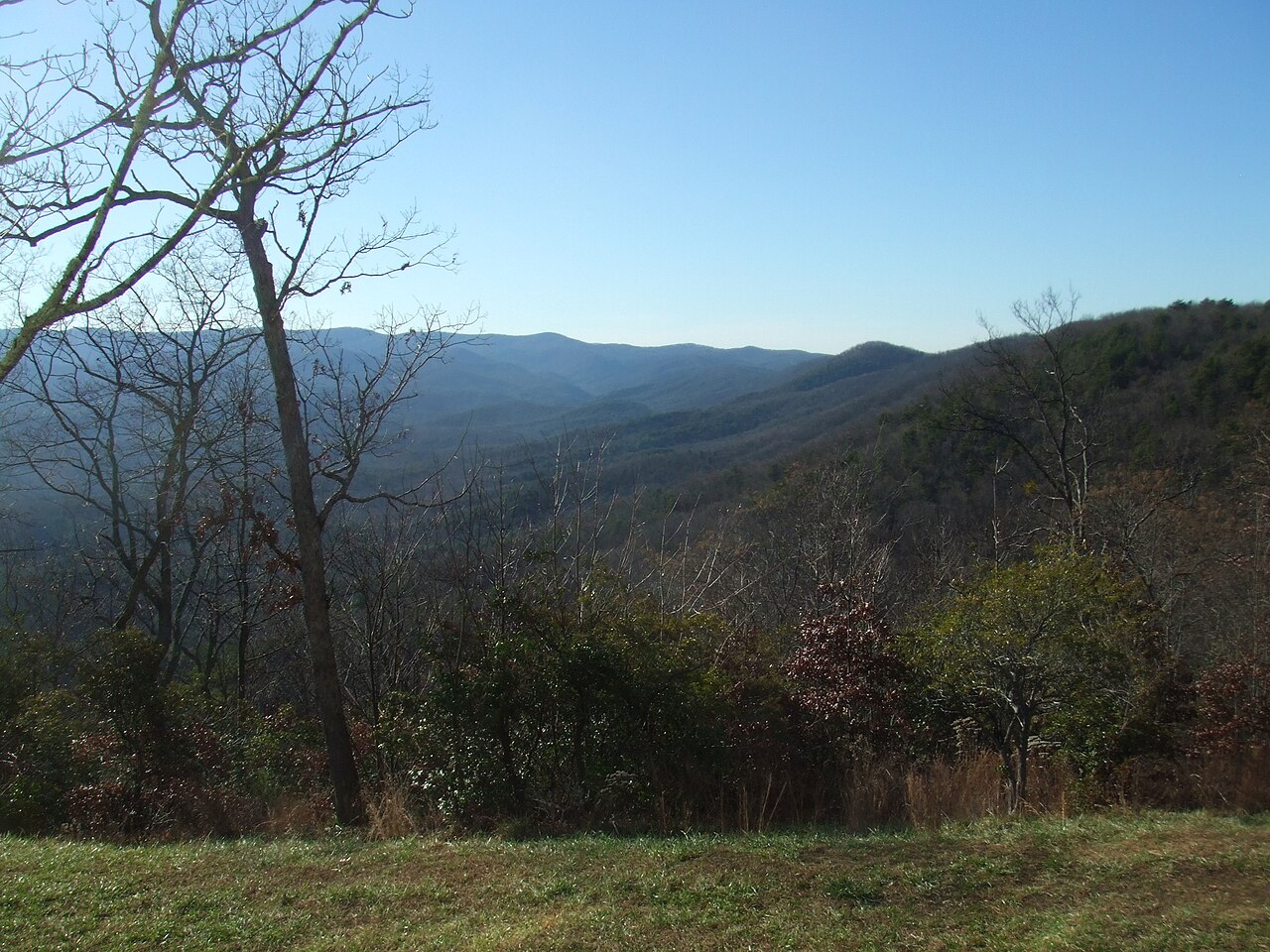
In the Southern Appalachians, rain plays an even more direct role, and the documented best-season notes say so explicitly. Amicalola Falls in Georgia, a roughly 729-foot tiered fall on Amicalola Creek in Amicalola Falls State Park, lists its best season as spring and after heavy rain, March through May. Whitewater Falls in North Carolina's Nantahala National Forest, a roughly 411-foot tiered fall on the Whitewater River, carries a best season of spring snowmelt and after heavy rain, March through May. Crabtree Falls in Virginia, a roughly 1,000-foot cascade on Crabtree Creek in the George Washington National Forest, peaks in spring as well. The recurring phrase "after heavy rain" is the operative clue: these falls can jump within a day of a storm and recede just as fast.
For rain-fed falls, the practical move is to watch the forecast and recent rainfall rather than the calendar alone. A dry April can leave an Appalachian cascade thin even though spring is its documented peak window, while a wet stretch in any month can briefly bring it to full force. The day or two immediately after a steady soaking rain often produces the best show, with the obvious caveat that the same storm can make steep, wet trails like the 3.4-mile Crabtree Falls climb slick and hazardous. Heights for cascading falls like Crabtree are typically cumulative over a long series of drops, so a reported four-figure number reflects total descent rather than a single sheer plunge.
Spring-Fed and Special-Case Falls: The Steady and the Rare
Spring-fed waterfalls are the quiet exception to seasonal drama. Because groundwater discharges at a relatively constant rate, a purely spring-fed fall looks nearly the same year-round and shrugs off both dry spells and storms. None of the ten featured falls here is purely spring-fed, which itself reflects a pattern: the tallest, most photographed American falls tend to be snowmelt or rain dominated, while spring-fed falls are more often modest, dependable, and concentrated in karst and volcanic regions. If steadiness matters more than maximum volume, a spring-fed fall is the reliable choice in any month.
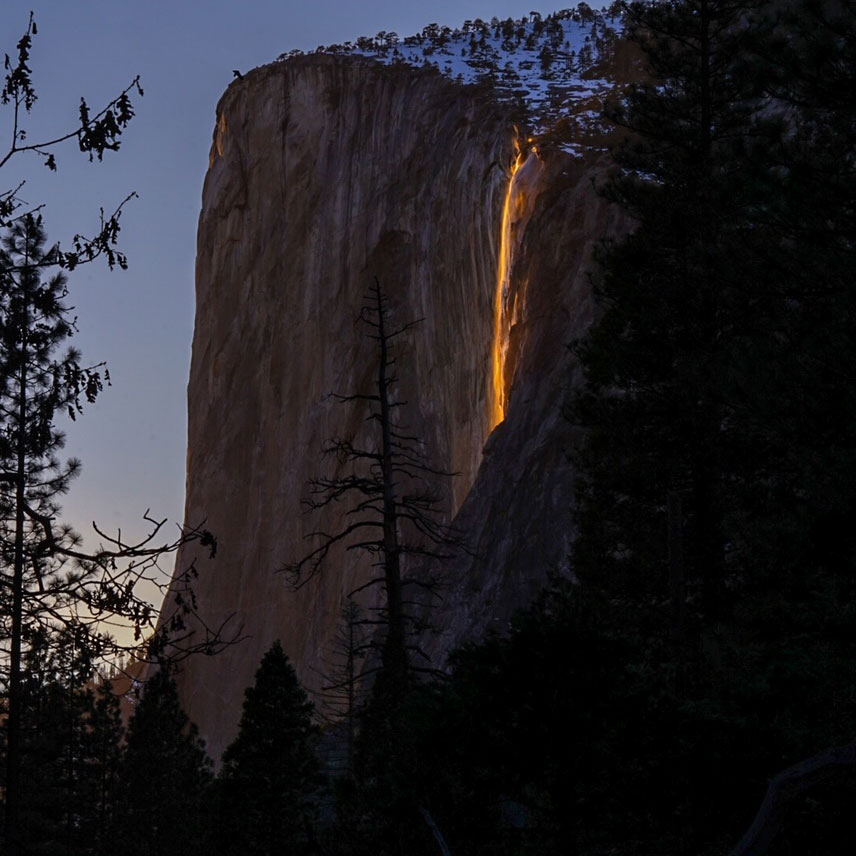
Some falls peak for reasons that have nothing to do with raw water volume. Horsetail Fall in Yosemite is the most famous example. This roughly 1,570-foot horsetail on Horsetail Creek is documented with a best season of mid-to-late February, and the reason is light, not flow. For a narrow window each February, the setting sun can align with the fall and, when there is enough water from snowmelt and the western sky is clear, briefly light it like molten fire, the so-called firefall effect. That outcome requires three things at once: meltwater in the creek, clear skies at sunset, and the right sun angle, which is why many February evenings simply do not produce it even though the timing is right.
The takeaway is that "best season" can mean best volume, best access, or best appearance depending on the fall. Horsetail Fall's 1.5-mile approach in February is about catching a fleeting optical event, while Yosemite Falls in June is about sheer water. When a documented best-season note seems unusually specific, like a single half-month rather than a broad spring window, it is usually a signal that something beyond flow, light, ice, or seasonal access, is driving the recommendation. Always read the note for what it is actually optimizing.
Putting It Together: A Practical Regional Calendar
You can turn these patterns into a rough planning calendar. In late winter, roughly February, the action is in special cases and the rain-fed Northwest: Horsetail Fall's firefall window opens in mid-to-late February, and Multnomah Falls is already running strong in its November-through-May best season. Heading into March through May, the Southern Appalachians come on with their spring-and-after-rain peak, Amicalola Falls, Whitewater Falls, and Crabtree Falls all fall in this window, and their flow tracks recent rainfall as much as the date.
April through June is the heart of the western snowmelt season. This is when Yosemite Falls, Bridalveil Fall, Nevada Fall, and Utah's Bridal Veil Falls run at or near peak, with Nevada Fall on the larger Merced River holding strong slightly later. By June and into July, the high, cold country takes its turn: Bird Woman Falls in Glacier National Park reaches its documented late-snowmelt peak just as the road that frames it opens for the season. Through the back half of summer, the snowmelt-fed western falls fade, sometimes to a trickle, while rain-fed and spring-fed falls in wetter regions carry on.
Two habits make all of this reliable. First, match the fall to its source before you trust a date: a snowmelt fall rewards tracking that winter's snowpack and aiming for the warming weeks after it, while a rain-fed fall rewards watching recent rainfall and the few days after a storm. Second, treat reported heights as approximate. The numbers here, from Yosemite Falls near 2,425 feet down to Whitewater Falls near 411 feet, come from public records, and figures vary by source and by whether they measure a single drop or a cumulative cascade. Use the height to set expectations for scale, use the water source to set expectations for timing, and use the specific best-season note as the most authoritative guide to when each individual fall is worth the trip.